What becomes possible when we change the way we relate to the world and the future?
We research, coordinate and facilitate processes that help organizations re-imagine their futures and reconnect with the living world, guided by ancestral, Indigenous and other ways of knowing.
OUR CLIENTS
We work with
Non profit and NGOs
Exploring new futures and adding value during a total restructuring of the humanitarian sector, the extreme funding instability and the rising of anti-rights movements.
Companies
Businesses committed to being regenerative and connecting with local communities.
Educational institutes
Universities and schools on the journey of making their curriculum, projects and relations more equitable, decolonial and reparative.
Professionals
Designers, researchers, innovators and anyone interested in unlearn harmful practices and learn reciprocity, radical imagination, and right collaboration with indigenous and traditional communities
OUR services
Together we explore
We research, coordinate and facilitate processes that help organizations re-imagine their futures and reconnect with the living world, guided by ancestral, Indigenous and other ways of knowing.
Reimaginations
We help you question what is taken for granted and imagine new narratives, models and strategies. Together, we explore possibilities for more just and regenerative futures.
Reconnections
We invite you to rediscover how to listen and relate to the living world. Together, we explore ways to bring nature’s needs into the decisions that shape our communities, organizations and futures.
OUR SERVICES
Reimaginations
Why reimaginations?
The global challenges of today do not need incremental change, but complete re-imagination.
Is it the sector that needs reframing? The business model? The theory of change?
We believe that re‑imagination and transformation come from plural knowledge systems learning from one another. A resilient and equitable response for these uncertain times.
“The modern and the Indigenous need to work together.”
Princess Abumbi Prudence (Bafut People, Cameroon)
How do reimaginations look like?
Reimaginations can take many forms, depending on the questions we are exploring and the people we bring into the process. From workshops and new narratives to speculative concepts and immersive experiences, we create different ways to make new possibilities tangible.
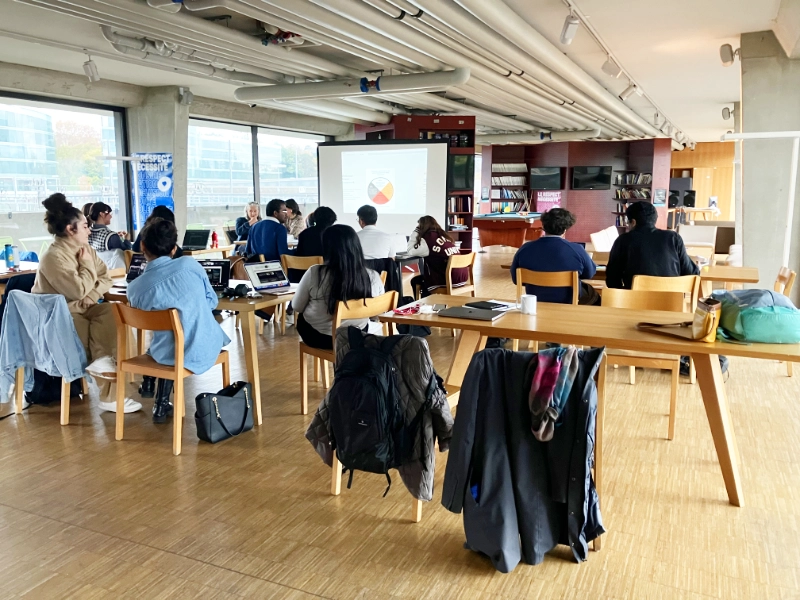
A workshop with students of International Development on how to decolonize innovation in the development and cooperation sector, with the special participation of WarīNkwī Flores on BioKulture Systems Design.
READ MORE
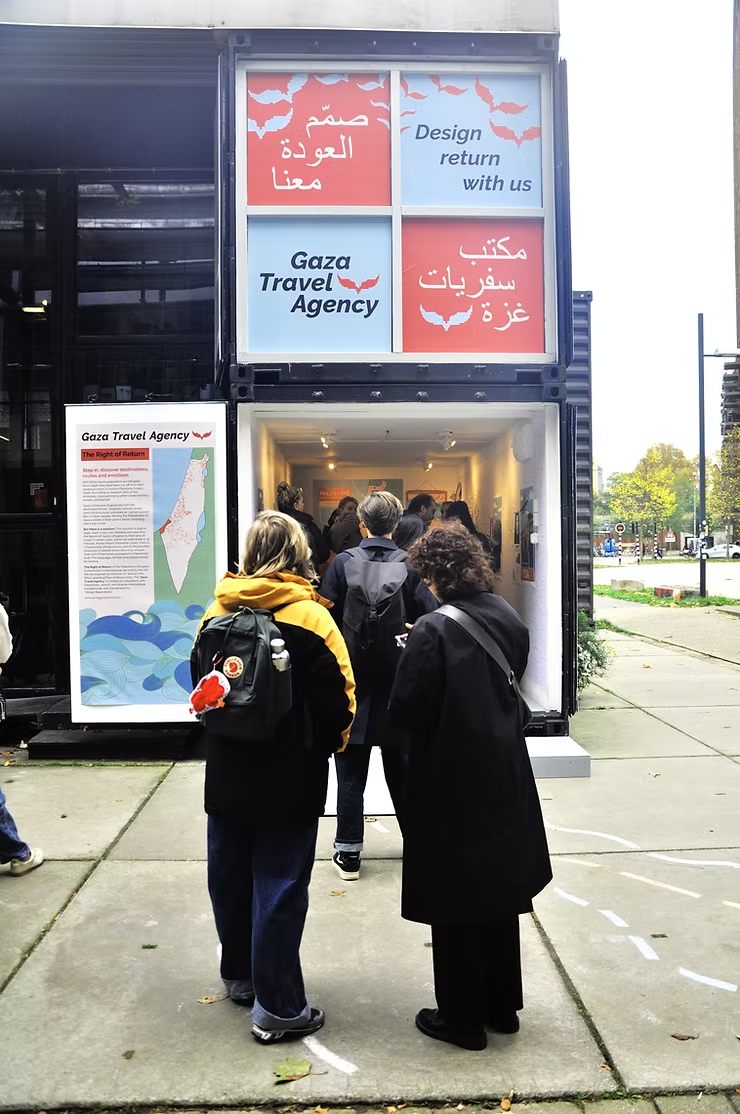
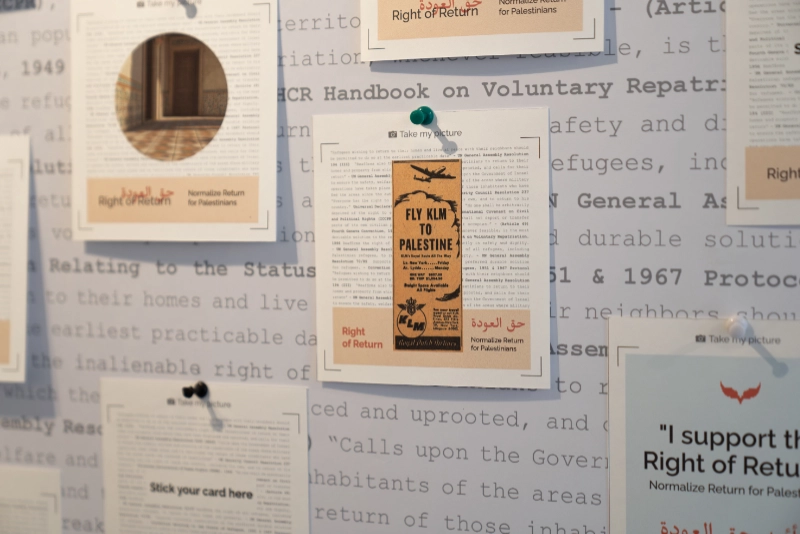
A speculative design experience at Dutch Design Week 2025: a fictitious travel agency to learn about the Right of Return, the displacement of Palestinians and their plans for return.
READ MORE
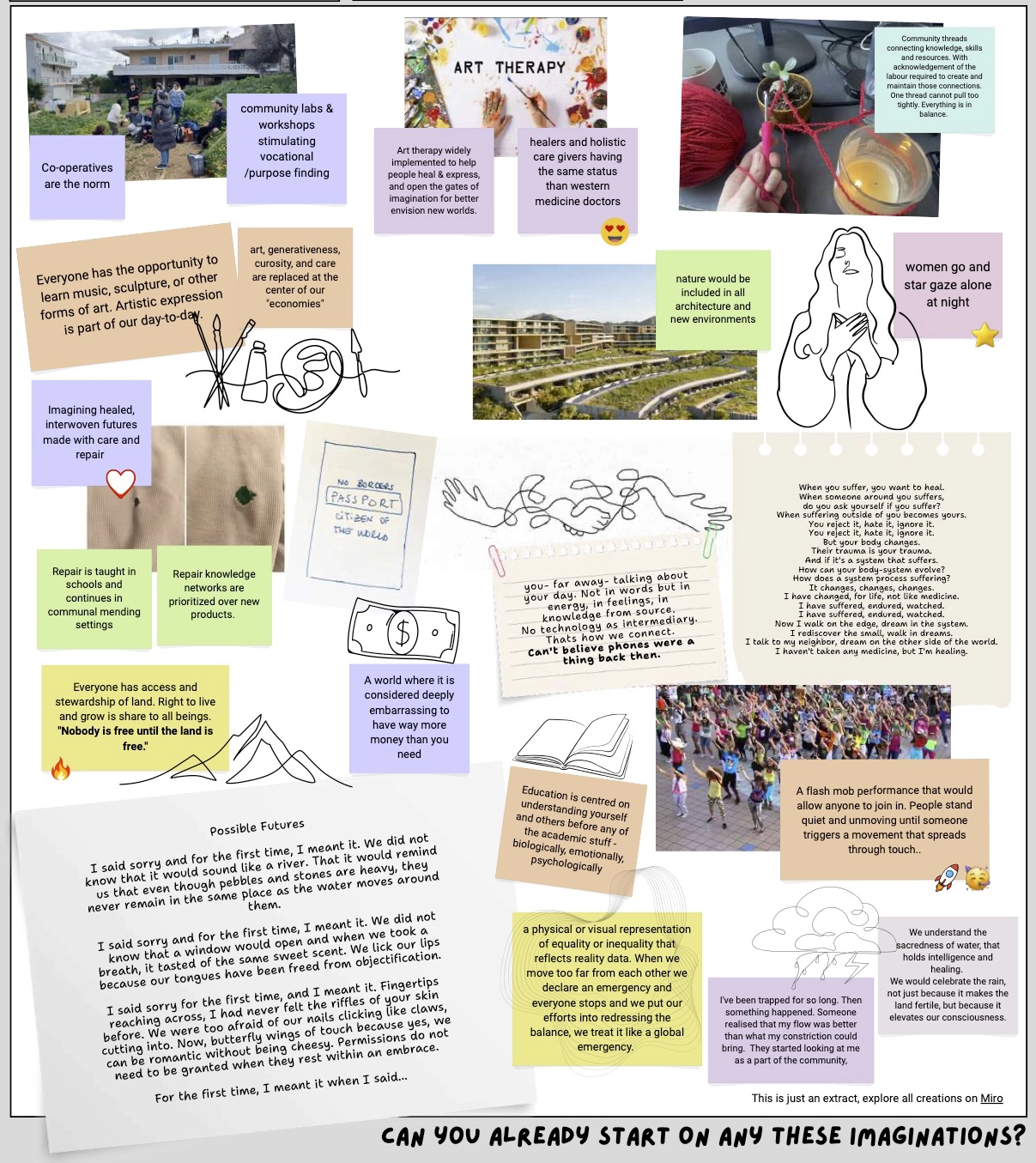
A series of online gatherings as a collaboration of several communities coming together and creating the conditions to imagine and represent futures rooted in reciprocity, regeneration, justice and care.
READ MORE
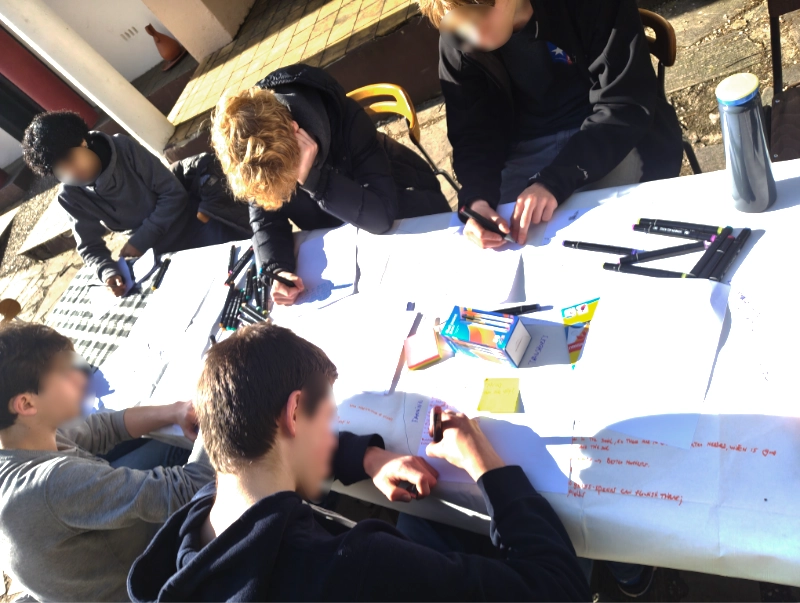
A one week program to engage young people in reframing and reimagining their agency and influence in the world, in dialogue and exchange with young people from Bafut (Cameroon) and Samia (Kenya) people.
READ MORE
OUR SERVICES
Why Reconnections?
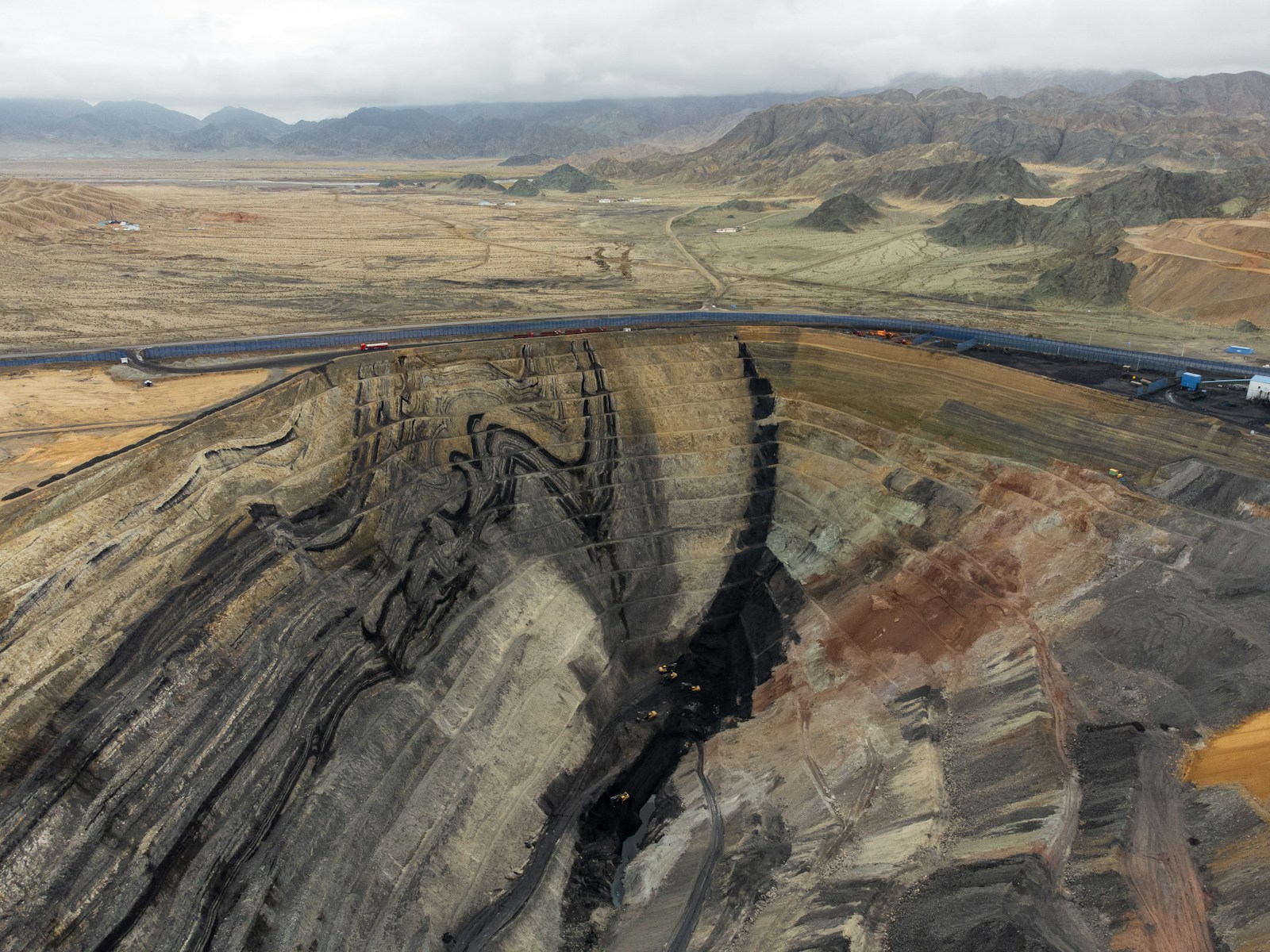
The ecological crisis is also a crisis of relationship.
How can we move from managing nature to relating with it? From seeing nature as a resource to recognizing our interdependence with the living world?
We believe reconnection - with natural beings, people and ourselves - is essential to building more caring, reciprocal and regenerative futures.
But how do we invite natural beings to be part of the conversation?
How do reconnections look like?
Reconnections can take many forms, depending on the places, people and living beings involved. From encounters with nature and ancestral knowledge to collective practices and new ways of making decisions, we create spaces to rediscover our relationship with the living world.
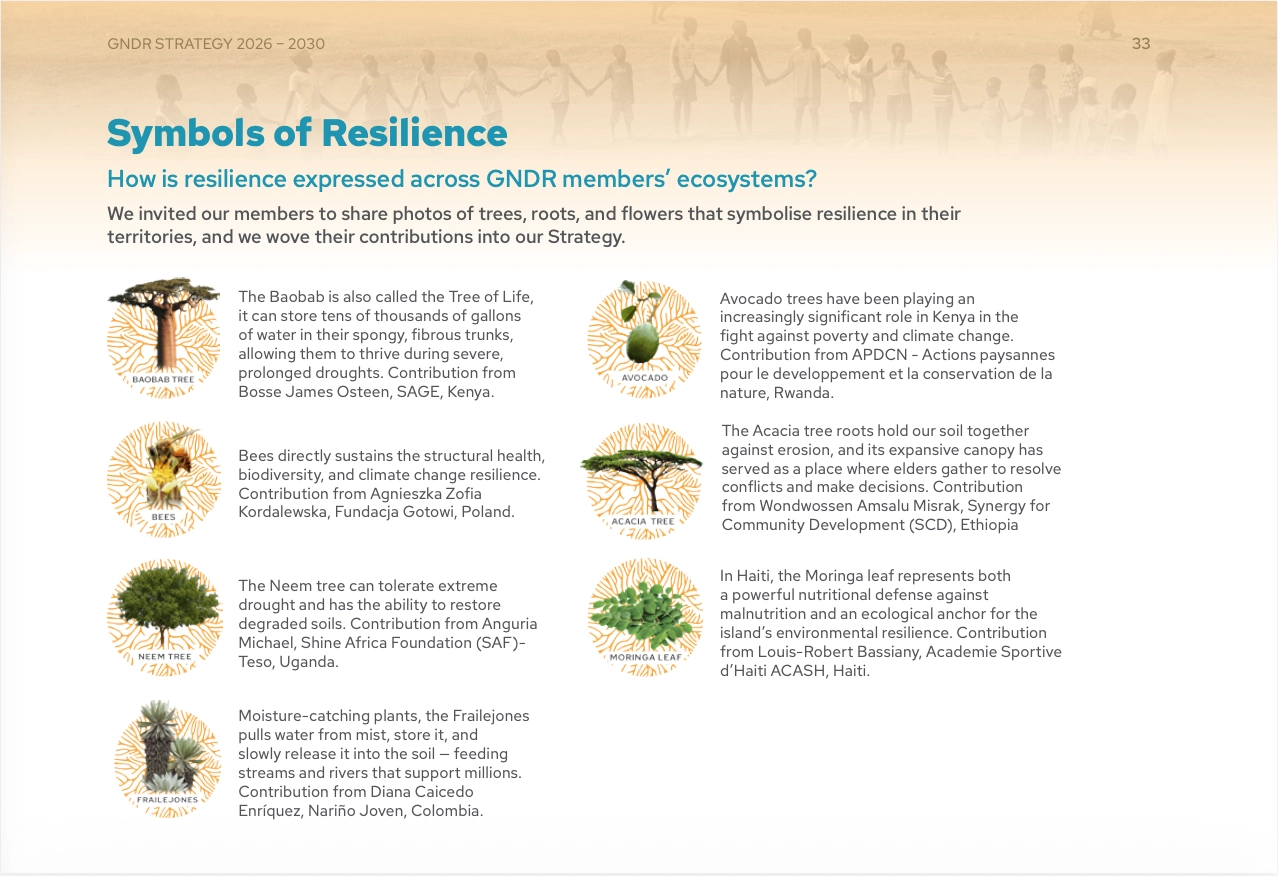
Co-designing symbols of resilience by inviting the global network of GNDR to share local plants to illustrate the new collective strategy for disaster response.
READ MORE
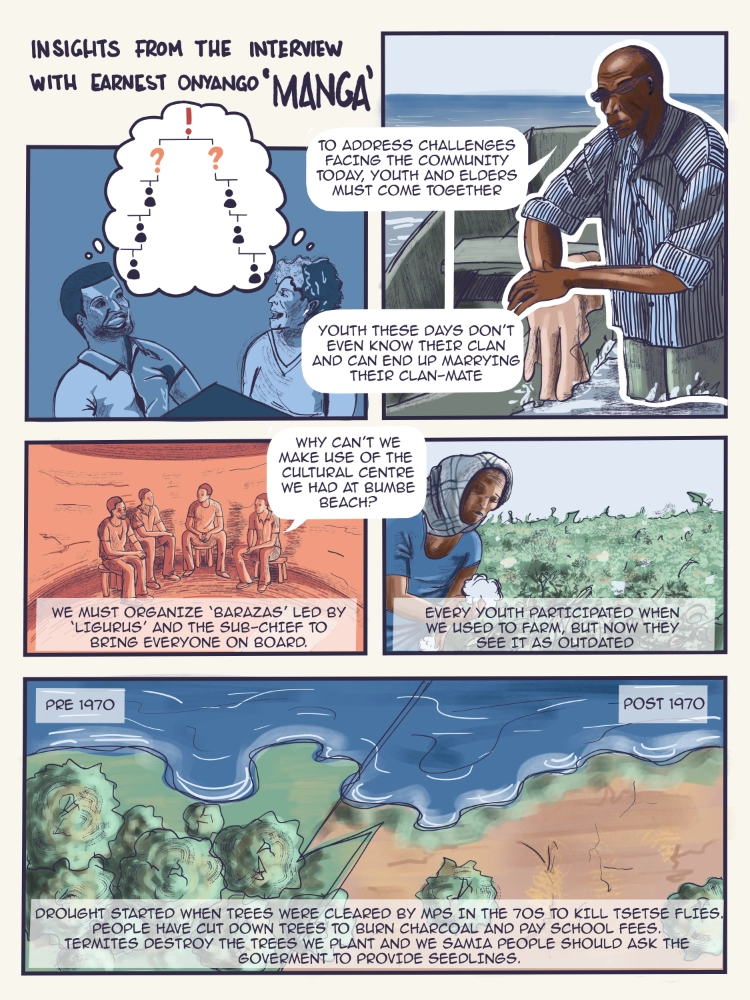
A comic book to tell the lessons of the Samia elders and make them accessible and interesting for the local youth, often disconnected from the wisdom of their ancestors.
READ MORE
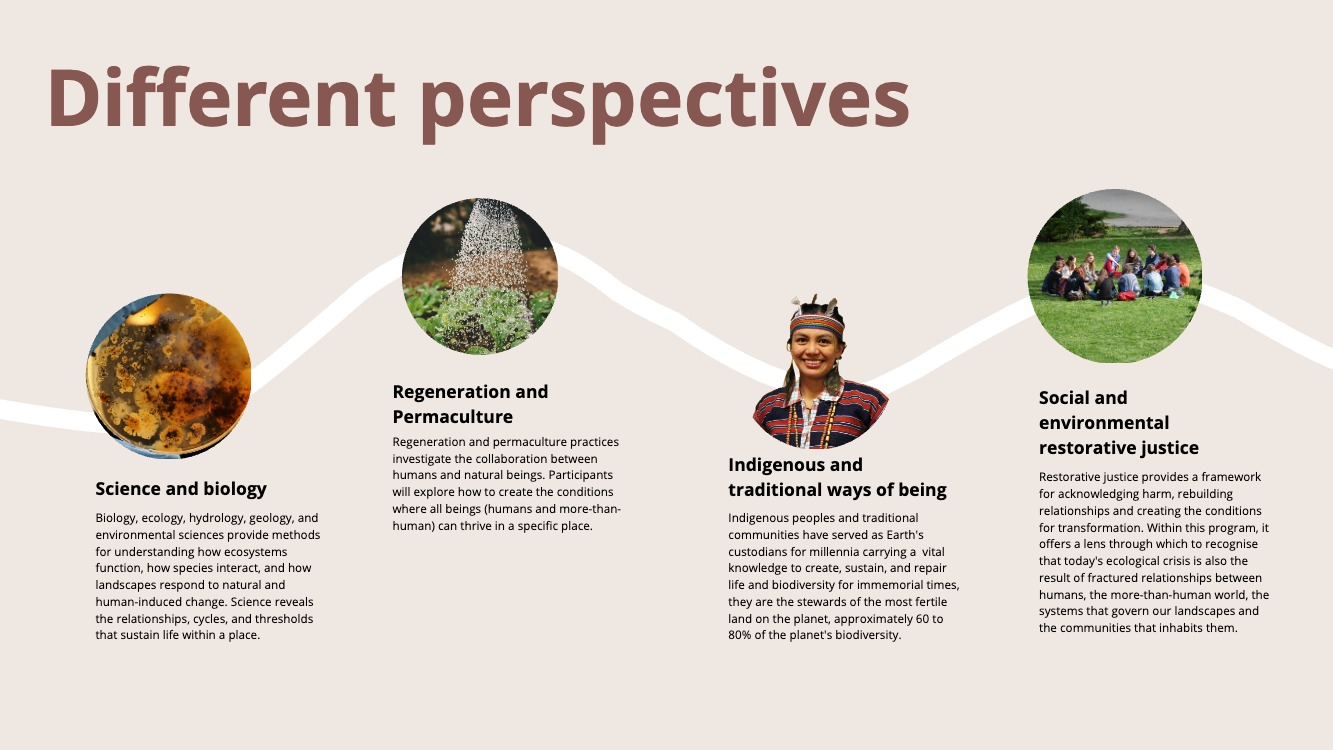
Designing a program for young people to re-learn how to listen to nature and collaborate with their ecosystem in daily life.
READ MORE
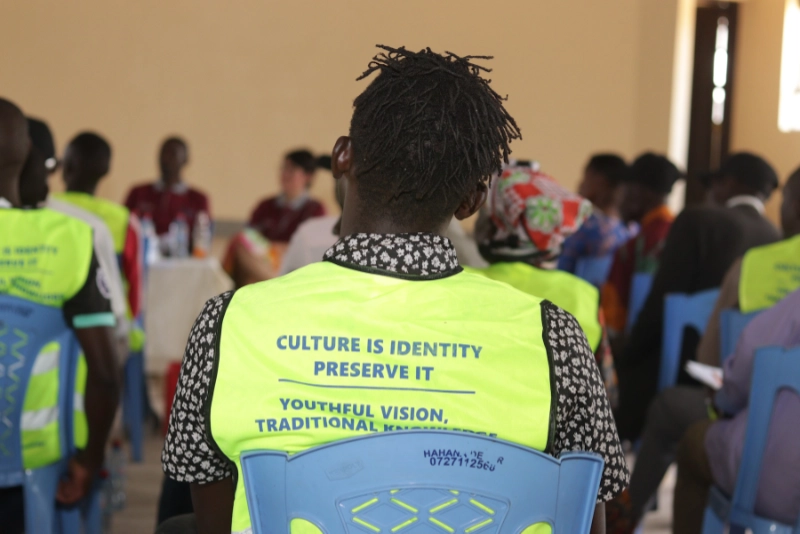
Cross-generational workshop in the Samia community, Kenya, to discuss the challenges of climate change and how traditional knowledge can shape climate resilience and community cohesion.
READ MORE
Our Design Principles
We believe design can help repair relationships with each other, with our ancestors and with the living world. These principles are our compass, grounding how we think, collaborate and create change.
Learn, unlearn and act
Put decolonisation into practice. Question what we have inherited, learn from other worldviews and turn reflection into meaningful action.
Redistribute power through reciprocity
Build relationships that are mutually beneficial, recognising historical and ongoing extraction and prioritising those who have been most affected by it.
Embrace relationality
Recognise that we are interconnected with each other, our ancestors and the living world. Make space for worldviews rooted in relationships, kinship and mutual care.
Challenge simplified views
Move beyond romanticised or one-dimensional narratives. Recognise the complexity and diversity of Indigenous and traditional people's lived experiences.
Practise care and remain open
Listen deeply, stay open to being changed, and take responsibility for the impact of our actions and relationships.
about us
Not only traditional knowledge
We weave different knowledge systems and epistemologies engaging people from all over the world.

about us
We don't do it alone
We collaborate with knowledge holders, community leaders and organizations committed to the regeneration of land and people and the preservation of ancestral knowledge.
join us
Do you want to support?
Design Reparations exists because of the dedication of its volunteers. The work we do with organisations is also meant to support the work we donate to indigenous communities and local activists around the world. You can support us in different ways: by volunteering on a specific project, by volunteering for Design Reparations in general or by donating.