Mulika Afrika


Through two online conversations with Princess Abumbi Prudence of the Bafut community in Cameroon and Paul Ole Leitura of Mulika Afrika, we explored how Indigenous knowledge and design practices can inform more reciprocal, sustainable and reparative ways of living and working.
Design is often understood as a way to solve problems, create new things or shape the future. But what can we learn from traditions in which design is also a way of maintaining relationships — with ancestors, communities and the living world?
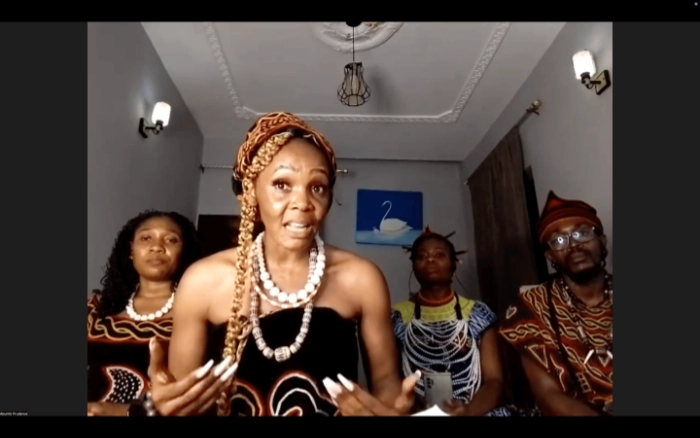
We organised two online sessions to explore this question through the perspectives of Indigenous knowledge holders. Princess Abumbi Prudence shared insights into Bafut design traditions, while Paul Ole Leitura introduced the cultural practices, values and knowledge of Maasai communities in Tanzania.
Both conversations invited participants to question dominant ideas about design, progress and value, and to consider how ancestral knowledge can contribute to more equitable and regenerative futures.
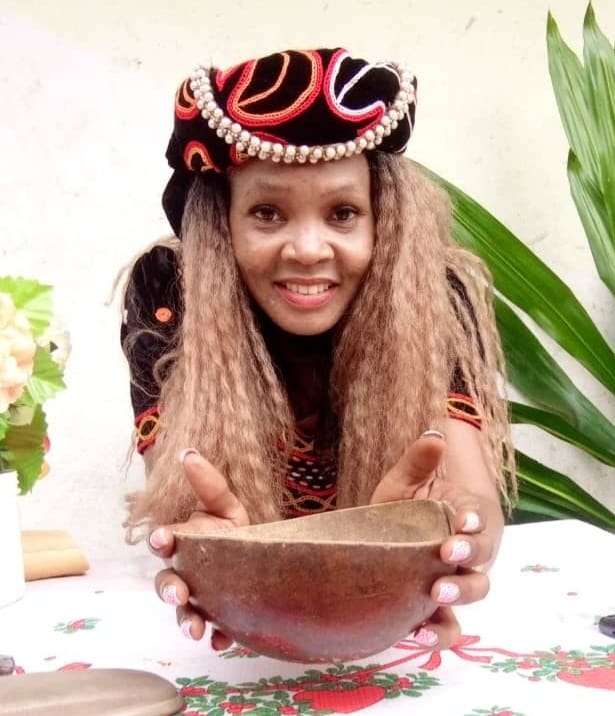
Design as living dialogue — with Princess Abumbi Prudence
The session explored Bafut artistic and design traditions, including weaving plant fibres into garments and using local grasses for thatched roofs. These practices carry cultural knowledge across generations and reflect relationships with materials, nature and ancestors. Princess Abumbi also shared her vision for a vocational training centre that connects this heritage with contemporary learning and opportunities for the Bafut community.
Embracing Maasai wisdom — with Paul Ole Leitura
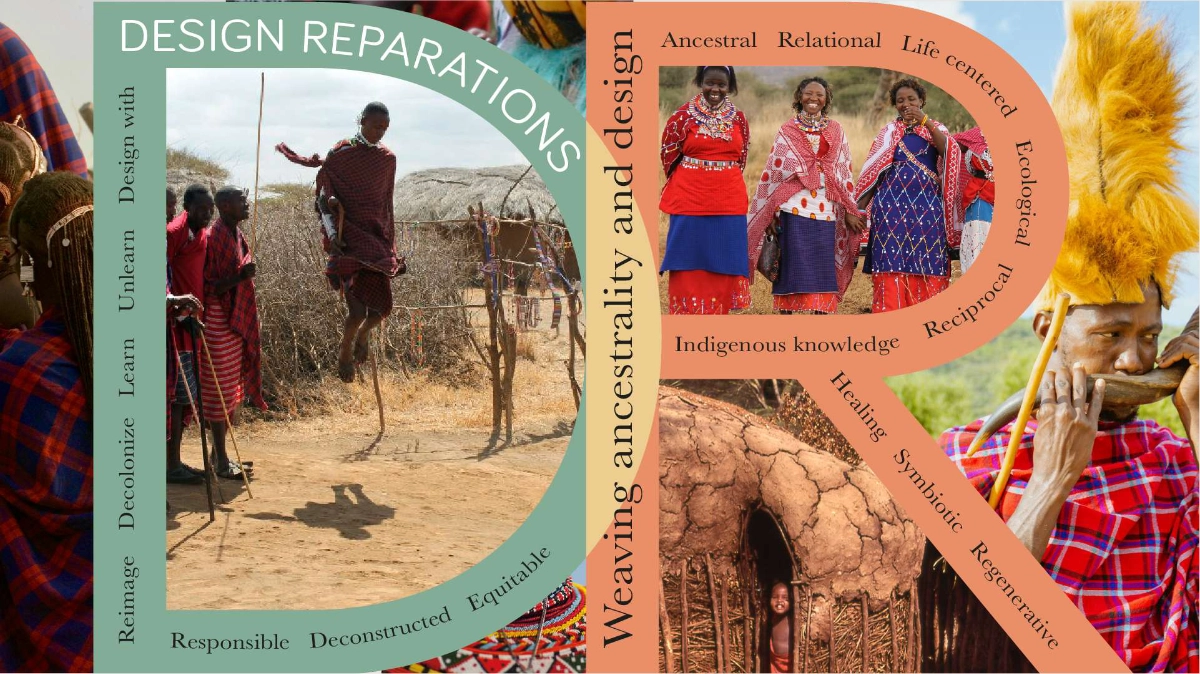
In this conversation, Paul Ole Leitura, founder and executive director of Mulika Afrika and a Maasai community leader, shared insights into Maasai history, traditions and community life. Topics included pastoralism, communal agreements, consensus-based decision-making, traditional justice and the relationship between land and community. The discussion also addressed challenges such as loss of grazing land, climate change and pressures on cultural practices.
Insights
Both sessions highlighted the importance of learning from Indigenous knowledge systems and recognising design as something embedded in relationships, cultural continuity and care for the living world. They also raised questions about how organisations and movements can avoid reproducing extractive power structures and put reciprocity into practice.
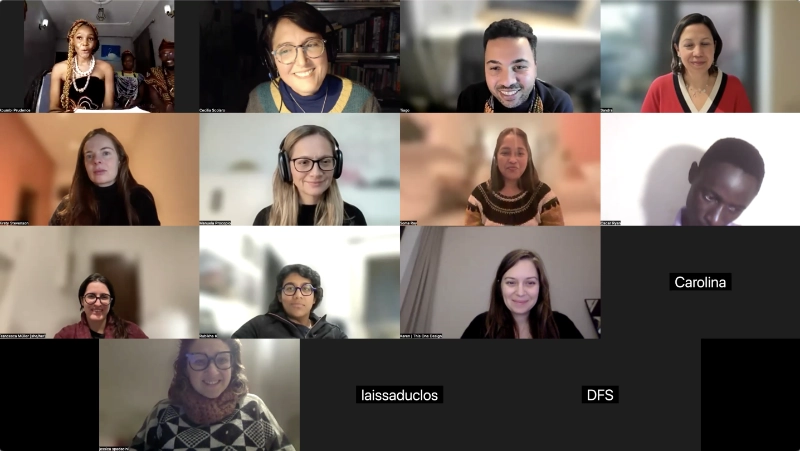
We would like to organise more conversations that bring Indigenous knowledge holders and the wider design community together. We welcome collaborations and support to create spaces for exchange, learning and reflection, where Indigenous perspectives can lead the conversation and inform more reparative ways of designing and organising.
Mulika Afrika
Youth and the Future